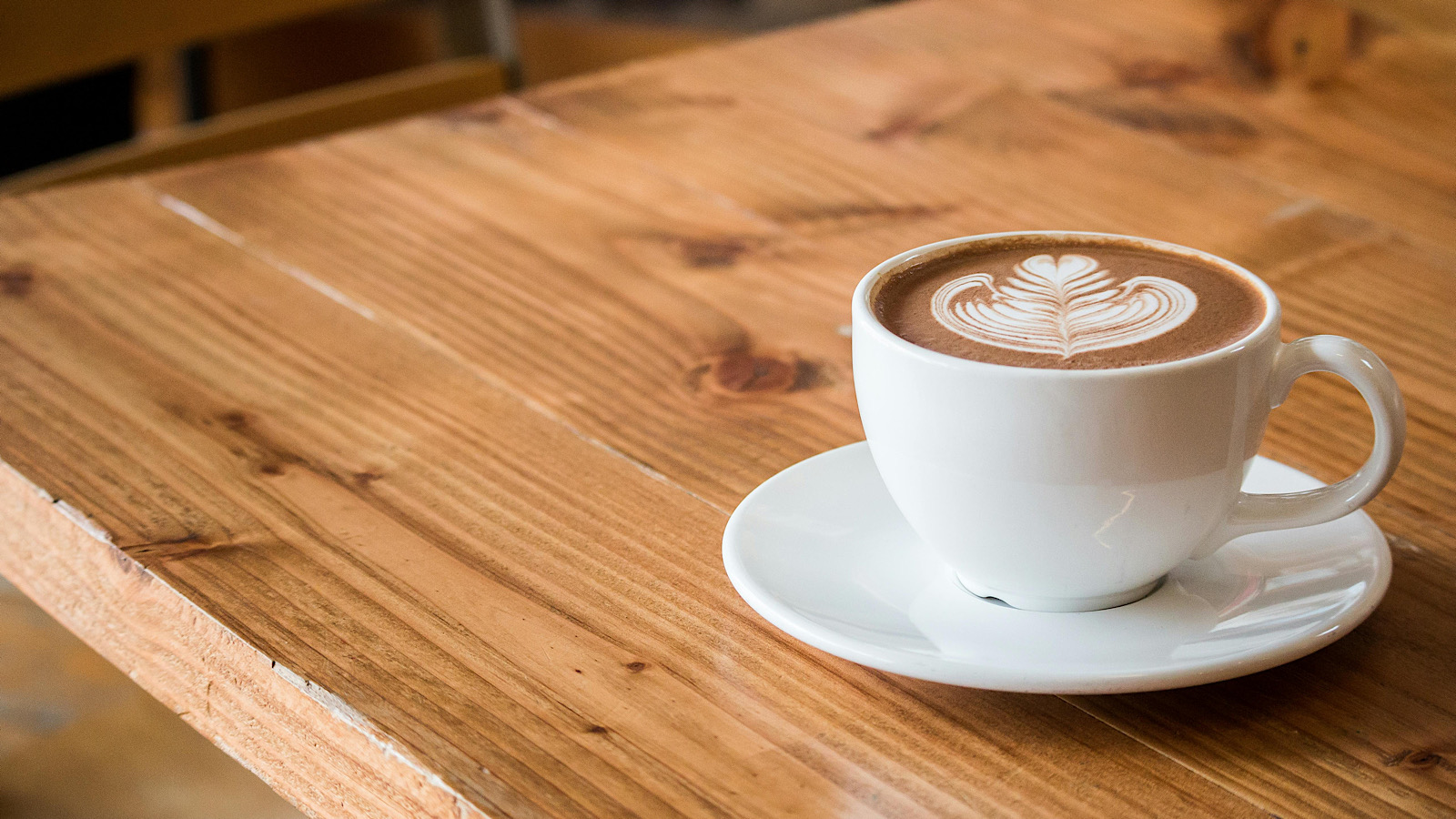
Cappuccino is America’s most popular coffee drink, accounting for approximately 62% of sales in our country's coffee shops, while the rest of the diversity makes up the remaining 38%. However, the drink’s taste varies depending on the coffee shop and barista. If you’ve tried cappuccino in another country, you may have encountered a different drink. Let's explore why this happens and what a cappuccino really is with the help of insights from Perfect Daily Grind.
What is a Сappuccino?
The most common definition of cappuccino is a drink made up of equal parts espresso, hot milk, and milk foam. However, according to James Hoffmann, this definition is a misconception that originated in the 1960s. The origins of cappuccino date back more than two centuries to Vienna in the 1800s, where it was known as Kapuziner. The drink was made from freshly brewed coffee with the addition of milk or cream until it resembled the color of the capuchin monks' robes.
The cappuccino recipe has not remained stagnant over the centuries, but has evolved and adapted to different cultures and tastes. Even in recent decades, there have been significant changes. Agnieszka Roevska, a coffee consultant and multiple winner of the Barista Championships, notes that the cappuccino has undergone substantial changes in terms of size and foam volume. Today, the Specialty Coffee Association and the World Barista Championship define cappuccino as a 150-180 ml coffee and milk drink that harmoniously combines espresso and milk. The foam should be at least 1 cm thick.
How cappuccino is made in different countries
Cappuccino is a popular drink in America and across the coffee world, with variations in its recipe surprising travelers. For instance, the Italian National Espresso Institute defines cappuccino, which involves 25 ml of espresso and 100 ml of foamed milk. Italian cappuccino is prepared and consumed quickly and is not decorated with latte art. In contrast, the more familiar cappuccino recipe involves mixing espresso with foamed milk and is often adorned with latte art.
Different countries have their own unique interpretations of cappuccino, each with its own distinct flavor and presentation. These variations include changes in the ratio of milk and foam to coffee, and the addition of spices such as cinnamon in many European countries, and cardamom and cloves in the Middle East. Regional variations also exist, such as the addition of cocoa powder or cinnamon in the cappuccino recipe in Brazil, and the use of dulce de leche instead of milk in Cappuccino mineiro. These diverse interpretations of cappuccino reflect the rich cultural tapestry of the coffee world.
Can you call cappuccino various variations of this drink?
Variations in the cappuccino recipe include changes in the ratio of milk and espresso and the addition of new ingredients like spices or syrups. This has led to different perspectives among experts on what can be considered a "cappuccino." Keiko Sato, Head of Coffee Quality and Training at Santo Grão, believes that the drink's variations reflect the diverse interpretations of cappuccino.
What is a Сappuccino?
The most common definition of cappuccino is a drink made up of equal parts espresso, hot milk, and milk foam. However, according to James Hoffmann, this definition is a misconception that originated in the 1960s. The origins of cappuccino date back more than two centuries to Vienna in the 1800s, where it was known as Kapuziner. The drink was made from freshly brewed coffee with the addition of milk or cream until it resembled the color of the capuchin monks' robes.
The cappuccino recipe has not remained stagnant over the centuries, but has evolved and adapted to different cultures and tastes. Even in recent decades, there have been significant changes. Agnieszka Roevska, a coffee consultant and multiple winner of the Barista Championships, notes that the cappuccino has undergone substantial changes in terms of size and foam volume. Today, the Specialty Coffee Association and the World Barista Championship define cappuccino as a 150-180 ml coffee and milk drink that harmoniously combines espresso and milk. The foam should be at least 1 cm thick.
How cappuccino is made in different countries
Cappuccino is a popular drink in America and across the coffee world, with variations in its recipe surprising travelers. For instance, the Italian National Espresso Institute defines cappuccino, which involves 25 ml of espresso and 100 ml of foamed milk. Italian cappuccino is prepared and consumed quickly and is not decorated with latte art. In contrast, the more familiar cappuccino recipe involves mixing espresso with foamed milk and is often adorned with latte art.
Different countries have their own unique interpretations of cappuccino, each with its own distinct flavor and presentation. These variations include changes in the ratio of milk and foam to coffee, and the addition of spices such as cinnamon in many European countries, and cardamom and cloves in the Middle East. Regional variations also exist, such as the addition of cocoa powder or cinnamon in the cappuccino recipe in Brazil, and the use of dulce de leche instead of milk in Cappuccino mineiro. These diverse interpretations of cappuccino reflect the rich cultural tapestry of the coffee world.
Can you call cappuccino various variations of this drink?
Variations in the cappuccino recipe include changes in the ratio of milk and espresso and the addition of new ingredients like spices or syrups. This has led to different perspectives among experts on what can be considered a "cappuccino." Keiko Sato, Head of Coffee Quality and Training at Santo Grão, believes that the drink's variations reflect the diverse interpretations of cappuccino.