Please check that all information is correct, then click Place Order to proceed
By pressing this button, you agree with our Privacy Policy
Inspect Your Order
Brew and Roasting Tips
Coffee Blends for Championship
2024-06-14 19:42
Such mixtures cannot be bought from roasters but can be made at home.
Coffee blends have been a leading product in the range of roasters worldwide for many decades. Manufacturers usually mix the blend components before or after roasting the grain. However, another way is to combine different coffee varieties after grinding.
We explain blends, how they are made, and in what cases each method is used. The article is based on the material of colleagues from Perfect Daily Grind.
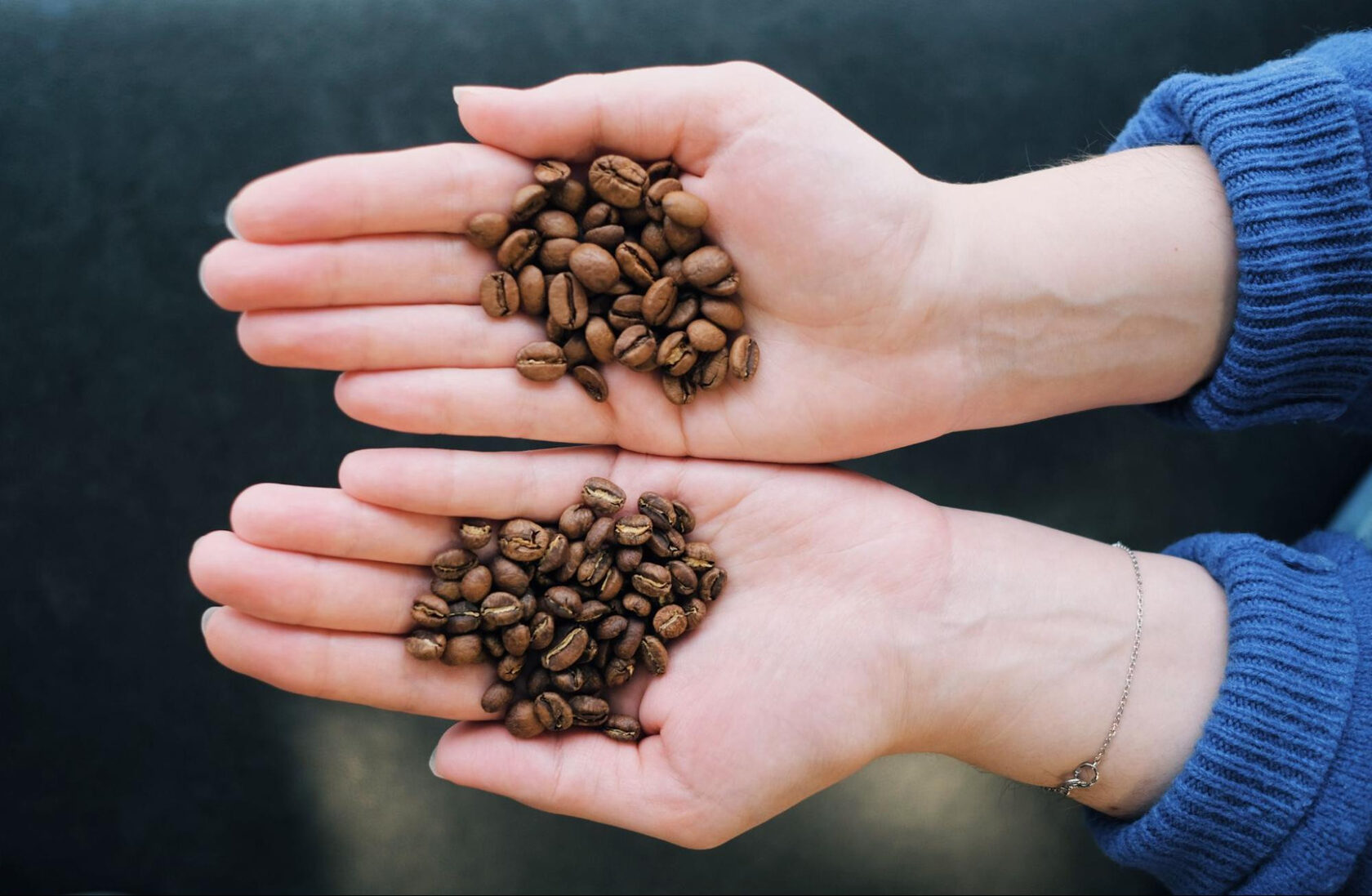
What are blends, and how do fryers create them? In the specialty industry, interest in blends is growing. They are often created to obtain a more balanced and versatile taste than grains of the exact origin can offer. Blends in the specialty segment consist of two or more varieties of grain:
From different countries;
Different regions within the same country;
Different varieties or processing methods from the same farm. This coffee is called a blend of the same origin.
Previously, there was an opinion that blends were of lower quality than mono-sorts. That’s because large commercial roasters mixed Arabica with lower-quality Robust to reduce the cost of coffee. However, in recent years, the attitude toward blends has changed—they have also been created to obtain a new, unique taste of the cup.
To get a balanced, homogeneous, and high-quality cup, roasters usually focus on the origin and genetics of coffee when choosing the mixture’s components. The fact is that different grains differ in density, hardness, and size - this, in turn, affects their roasting profile. For example, denser coffee usually has a high humidity level and contains more sugars. Therefore, it should be fried longer and in smaller batches than low-density grain.
Most roasters consider these differences, so they choose a grain of similar density for blends and mix it before roasting.
Another method involves frying the blend’s components according to separate profiles and then mixing them. In this case, the grain may vary in density. However, to perform at coffee championships, baristas make blends on their own and in another way. How and why - we tell in the next block.
Why a grain is mixed after grinding at the championships
The winner of the World Barista Championship - 2023 Boram Um used in the final blend of geisha anaerobic treatment and pink bourbon of natural processing. Daniele Ricci, the silver medalist of the championship from Italy, also used a blend of geisha and katsura, which was grown on one Colombian farm. During their speeches, both participants emphasized that mixing varieties helps to achieve a more balanced and complex taste of the cup than when using a monosort.
If we look at the final programs of both participants, we will see that they did not take ready-made blends but chopped the grain of each variety separately and only then mixed. The fact is that the grinding size affects the coffee extraction level. If the grain particles are too small, the cup is re-extracted - more bitter and tart. When the grinding is large, the water passes too quickly through the coffee tablet. As a result, the drink is under-extracted - its taste is dominated by acidity. The size of the coffee particles should be such that acidity, sweetness, bitterness, and tactile sensations in the mouth are balanced. Therefore, the barista in the coffee shop constantly adjusts the grinding size, especially when making espresso.
One of the most critical factors that is always considered when selecting grinding is the extractivity of grain. It depends on how easily coffee gives its substances to water. The extractivity of different varieties of coffee differs and depends on many factors: genetics, terroir, processing method, and even roasting profile. That is why participants set up grinding for each blend component at the championships, grind the grain, and only then mix it with another variety. This allows you to control the final taste of the cup. However, this method only works on a commercial scale - it is too difficult, time-consuming, and requires constant equipment adjustment.
Result
Recently, the attitude toward blends has changed - now, it is no longer a product for a mass market made of inexpensive grain. Mixtures are created even in the specialty segment and are used for performances at coffee championships. Usually, the grain is mixed before roasting. This way of creating blends remains the most practical in the production of coffee. However, it limits the composition of the mixture: roasters choose a grain with a similar density and roasting profile to balance the cup. Less often, the grain is mixed after roasting - when the blend’s components do not match in density and must be fried in different profiles. At the championships, mixing coffee after grinding is another way of creating blends. It allows you to combine grain even with different extractivity - solubility in water. Professionals thus get completely new, unusual tastes and stand out at coffee competitions.